What You Must Know About Die Cutting In Printing Business?

die cut printing direct from manufacturer

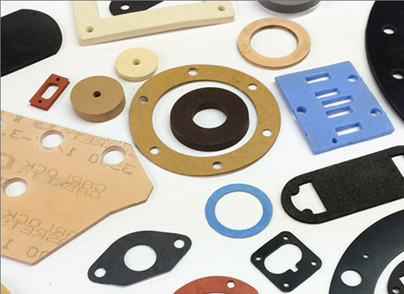
A die is a sharp steel blade designed to cut, design, or shape materials by pressing in the printing process. Henceforth, die cutting refers to an act of using a sharp die to cut various objects such as foam, paper, rubber, cloth, metal sheets, cardstock, plastics, and other substances that can be designed into different cuts. If you have a business that involves cutting design concepts, look for the die cutting labels for your printing business. There are experienced companies that specialize in the development of high-quality dies for production and printing.

How does die cutting works?

 Die cutting involves sharp blades installed above a strong base constructed to hold the object. The patterns and shapes are placed on a platform or a crafting table. A die cutting machine comes in different designs and sizes. Big manufacturing units use heavy machines with various functions, while individuals who have die cutting work as a hobby use small machines. For example, if you want to cut a flower shape out of cardstock, you may need an oven size die cutting machine. When you are purchasing this machine, check out the styles and functions so you can choose the right machine for your requirements. 

Applications

There are custom die cutting machines that can do multiple tasks in the manufacturing process. They are capable of doing the following:

Cutting shapes in any required size.

Tracing colors and cut around them.

Drawing and making a layout of the shape.

Piercing the material to make holes.

Carving or cutting designs on a hard surface.

Embossing to give the design a “pop-out” effect.

 So, in case you own a printing business that requires different die cut labels, you can contact die cutting services who will provide you the required die for your business. 
Different Industrial Application of Aluminum Labels and Tags

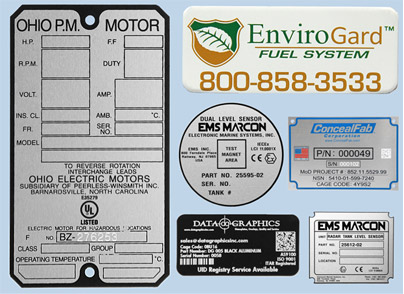
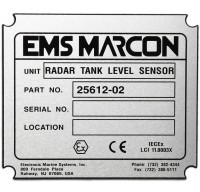
Metal Labels and Tags are by far the most frequent alternative for extremely durable residential and commercial applications. Printed metal labels and data plate blanks, which are appropriate for machinery tags, are often used in industries including agriculture, building, food service, engineering, marine, military, transportation, utilities, electricity, and more. Due to this number of benefits and distinctive properties, the anodized aluminum labels are ideally suited for industrial use. A custom aluminum label printer helps manufacturers provide quality labels that can withstand the light from the sun, salt spray, high temperatures, solvent washing, chemicals, and abrasives.

Different Applications of Custom Aluminum Labels

Aerospace

Aerospace machinery and components must comply with safety standards and industry regulations. The aerospace equipment labels and tags used must be manufactured using metals strong enough to withstand chemical damage, temperatures, and UV radiation. You can find graved aluminum labels that are used to mark the various parts with details such as logos, number plates, and barcodes.

Electrical Industry

You’ll find cluttered wires with numerous applications in the electrical industry or workspace. It is important to identify various wire network labels, so the person who is interacting with them has detailed details. These tags are used to show electrical device voltage or amperage, and to mark cable connections. The labels wrap around the wires show this vital information clearly, without any chance of being lost or harmed.

Military and Defense

Using tags and labels, stocking and tracking items as aluminum ID tags that won’t fade, tear, or fall off in extreme conditions become easy for the defense. A custom aluminum label printer produces the labels with requirements and instructions that can also be used for hazardous equipment or weapons.

Significance of Asset Tags in an Organization and the Need for Metal Tags

Data Graphics Inc endless uses and variety of nameplates

Featuring the company’s name, logo, serial numbers, and barcodes/QR codes, asset tags are highly useful tools that serve a variety of purposes in an organization. They mark an asset as a property of the company, help keep track of the asset during inventory time, provide contact information if the item is lost or misplaced, and even help you retrieve the asset in case it’s stolen. Additionally, insurance carriers often require asset tagging for coverage, which makes them even more important for businesses.

The Need for Metal Tags

You need to label and track your assets but that’s easier said than done—with the harsh environments your assets have to withstand. Dirt, chemicals, abrasion, extreme temperatures, and the general day-to-day grind, can all wear on your assets—and tags. Basic labels and tags don’t last long. They fade, rip and fall off after a while. Not to forget the hassles of reapplying the tags again and again! To ensure better security and avoid the hassles, what you need is the superior durability and versatility of metal!

Using Metal Tags for Use in Tough Environments

Though asset tags come in a variety of shapes, sizes, and colors, when it comes to choosing the best material for the toughest applications, metal inventory tags are quite popular. For example, an aluminum tag is a great choice for use on an asset like a portable generator that’s going to get hot because the tag is able to better combat heat and corrosion. Metal inventory tags are a vital resource for effective inventory management and the safety of a company’s most valuable belongings.

Get Metal Tags from Data Graphics

With a variety of options and features available, asset tags can be customized to suit almost any application. Whether you are looking for metal or synthetic polycarbonate tags, Data Graphics has you covered! Talk to one of our experts to figure out which tags match your needs!

How To Choose The Right Material For Equipment Overlays And Nameplates?

Whether you’re an electronics designer, food processing equipment manufacturer or producer of components of medical devices, standing out among the competitors is extremely important.

Besides maintaining the quality, you need to pay heed to enhance the product. And, one of the most effective ways to archive this is by adding customized graphics.

When it comes to finalizing the overlay design, there are plenty of essential things you need to consider, for instance, the material. You have to select a material that is best for your product’s aesthetics, function, and overall quality. 

The material that you select will not only depend on your budget, but also on the type of environment – where your equipment will be used. In general, the two most common materials – polycarbonate and polyester – are used for industrial overlays. To know more about them, read below:

Polycarbonate

Polycarbonate is an excellent choice when you need a material resistant to moisture, heat, strains, abrasion, corrosive chemicals, and UV rays. It is immensely used for embossed keypads, overlays, caution and warning labels, dead-front panels, decorative trim, and nameplates. Most people prefer polycarbonate because it offers versatility and durability in nearly all environments and applications. 

Polyester

Polyester is an exceptional choice when you need a material resistant to high temperatures up to 148°C (300°F). Even in outdoor environments, which are prone to scratches and abrasion, or corrosives and chemicals, the material offers durability and reliability. Polyester makes an excellent choice for switches and keypads that required constant pushing, flexing, and dimensional stability. Mostly, it is used for caution and warming panels, LED panels, overlays, keypads, serial tags, and double-sided decals. 

As choosing materials for pressure-sensitive labels, overlays and nameplates for industrial equipment can be challenging, connect with a reputed label manufacturer for the right equipment decals. Experts of the printing industry use their knowledge and expertise to create ideal embossed labels for your products.

When It Comes To Impact Resistance, No Overlay Can Surpass Polycarbonate Overlay

For applications that call for greater mechanical strength and amazing optical clarity, polycarbonate overlays should be the obvious choice for them. They can be comfortably die-cut, provide dimensional stability, and deal effectively against threats such as corrosive chemicals, heat, stains, and abrasion. Polycarbonate overlays are famous for their amazing resistance against heavy impacts due to their heavier thickness. Not just that, they are the ideal solution for tools and items where transparency is highly required as it is a naturally transparent material.

Why Should You Choose Polycarbonate Overlays?

  • With polycarbonate overlays, graphics can be screen printed or digitally printed on the second surface in order to get high durability
  • It provides a good amount of light transmission and low levels of haze values. It is perfect for hosting clear windows
  • You can easily expect an exterior life of as much as 5 years with polycarbonate overlays. When using these overlays, do know that long term outdoor use is not recommended
  • As mentioned in the starting paragraph, you can expect these overlays to effectively deal with all sorts of chemicals, flames, and heat. As far as heat is concerned, these overlays can endure as much as 220 degrees of Fahrenheit. There is a form of polycarbonate overlay known as Fire Retardant polycarbonate that is quite capable of dealing with high temperatures or fires

Out of all the overlays, there is only one reliable solution for impact resistance and that is polycarbonate overlays. They are chiefly used in industries such as automotive, aerospace, industrial, safety, etc.

Everything You Must Know About Tamper Proof Labels


Tamper-evidence is often confused with its tamper-resistance, also called partner-in-packaging. While in reality, tamper-evident labeling has one or more entry barriers to provide a consumer with visible evidence that the product has been manipulated. They offer proof of tampering. They crack, snap, or tear each time someone tries to mess with them. So, this kind of label can prevent people from manipulating your products before they buy them. It also alerts other customers, telling them that the product might not be safe to purchase.

Benefits of using tamper-proof labels printing 

Brand Integrity

Counterfeiting of the goods is rife. These days it is not just the slippers that are fake! This creates a negative impact on brands, especially, as you want to maintain certain standards of quality. Tamper-proof labels would allow customers to distinguish between the original and the fake.

Consumer Loyalty

During shipping, TEP will shield the product from opening and help in identifying damaged products. Holding them covered in sturdy and attractive packaging is also a no-brainer for your customers. By incorporating tamper-evidence, you demonstrate a genuine concern for the purchaser’s well-being, and that can create customer loyalty.

Extra Level of Security

Tamper-resistant labels are useful for detecting product changes. Also, with a sealed package, upon leaving the manufacturing plant, you’ll never know if the product is changed. It is particularly relevant in the medical field, where goods need to be sterile. It means that if a drug or device mark has already been tampered with, there is a possibility that the substance will already be revealed, which will make it unfit for use.

If you are looking for tamper-proof labels printing service, you can look them up online. 

To Keep Your Assets Secured, Make Use of Assets Tags

If a company has numerous physical assets, it becomes extremely important to keep track of them and check their operating condition. For a company’s bottom line, it is required that essential tools are properly identified, controlled, and tracked. All of these tasks can be successfully done with the help of fixed asset tags.


The reason why you need to print fixed asset tags is that physical assets go through all sorts of phases. They are employed in the field, go through repairs, are often updated, get stolen, or removed. Fixed asset tags are used to keep a record of physical assets from their purchase to their disposal.


Since businesses need to know what physical assets require repairing or what assets should be replaced, asset management becomes critical for making calculated decisions in regards to physical inventory status. You also get to prevent your assets from getting stolen. Below are some reasons why asset tags are important for your business:


Increase the safety of physical assets and reduced chances of theft
You’ll get better equipment and employee efficiency
Easier to deal with compliance demands
Equipment downtime comes down significantly through improved planning


Many businesses prefer to stick with manual data collection processes. The issue with such a system is that it is not only costly but slow as well. If you use asset tags, you will be able to track your physical assets and collect key data about them rather quickly and most importantly, accurately. Solid asset tags provided by top makers are capable of enduring even the toughest of environmental conditions. Get in touch with one such top maker and keep your important assets properly secured with asset tags.

What Must You Know Before Getting Asset ID Tags?

Asset tags are adhesive labels that can be placed on equipment for better inventory management and easier identification of products. They contain unique asset codes or serial numbers that provide specific details of the asset’s location, group, or any other item. Today, RFID and the use of barcode labels are two of the most popular object identification methods. The are used across many industries, including agriculture, construction, food service, manufacturing, marine, military, transportation, utilities, energy, and more. The Asset id tags are best for industrial use due to its number of advantages and properties. 

Here are few things you must know before getting your asset ID tags

Type of tags you need

Marking the year of purchase right on the asset mark is important for high-maintenance properties. It promotes depreciation and inventory control so that for more exclusive analysis, new items under repair can be quickly identified. It also makes it easier to identify an object that is almost completing its useful life, so no additional expenses should be spent on updating it.

Asset ID size

What type of content (and how much of it) you want to go with can determine the size of the asset mark you are using, but you should also consider the size of the commodity you are applying to. Asset ID tags are almost exclusively rectangles small to medium in size.

What you need on tags

Based on the assets that you have, to have a database that actually provides valuable information, you should record specific data. For example, barcode labels may include the name, serial number and tracking number of the supplier, including details on the project to which the asset is connected. It makes it easier for workers to access a specific item’s detailed information and compile data to enhance future operations.

4 Efficient Tips for Large Format Print Designs

When it comes to printing a banner or outdoor sign, you need a good-looking design to stand out from competitors. Creating an impression on daily commuters is one of the great and valuable advertising tools used to increase business sales. When you aim to catch the eyes of potential customers, follow the given design tips for large format prints. 

Keep the font clear

Large format designs are created with intent to be seen clearly from a distance. You must keep fonts visible and clean so that customers don’t have to wait to come closer. Avoid adding too many fonts since it ruins the design and breaks reading consistency. Stick to one or two variants at most to avoid creating confusion for readers. 

Maintain balance

What’s the key element in every design – the balance. While a banner with too much information becomes overwhelming, a poster with plenty of spaces in between looks unprofessional. Always try to go for keeping things simple and easy to understand. Do not clutter with unnecessary details and limit the inclusion of texts and images. When a design is well-readable, potential customers grasp the information easily and quickly. 

Check the contrast

Do you want your texts to look blurry or images to steal the show? If you don’t want such things to happen, don’t skip on color contrast as it’s an important consideration. Be sure the color of the texts you have chosen makes the banner readable over the background solid color. Also, avoid adding too many colors because the design becomes harder to grasp in little time. When you want people to take notice and get the information like a breeze, keep the color palette limited. 

Connect with experts

The best way to get impressive designs is by getting in touch with experts of custom large format printing. They can guide you with your print designs to make them look attractive and readable.

Widespread Use of Asset Tags in Tracking Key Items and Equipment

Assets are of great value to businesses. It is important to have a method that can enable companies and organizations to effectively track their key equipment and other key physical items. Asset tags are labels that companies use for location tracking, financial reporting, loss prevention, and maintenance of their key assets.

There are advantages of using these tags. Let’s take a look at a few of them.

  • Manufacturers are always concerned about the condition and status of their assets. Barcodes that are made from material such as Polyester are capable of enduring harsh environments and allow manufacturers to effectively track their physical items
  • Industries such as oil and gas constantly use their machines and tools. They need to conduct timely check-ups and maintenance on them. Asset ID tags enable these type of industries to do get services done on their equipment in a timely fashion
  •  Asset tags play an important role in educational centers as well. Educational environments have computers, laptops, visual and audio equipment and much more. These tags allow institutions to keep track of the condition and status of their key assets so that there’s no interruption in the learning process
  • Assets tags are of huge importance in the healthcare industry since hospitals and other medical facilities contain machines, pharmaceutics, supplies, and other essential items, all of which call for proper inspection and maintenance
Design a site like this with WordPress.com
Get started